News

2026/ 06 / 06

Mill Rolls: The Core Working Component of Rolling Mills

From Molten Steel to Finished Products: Why Mill Rolls Matter
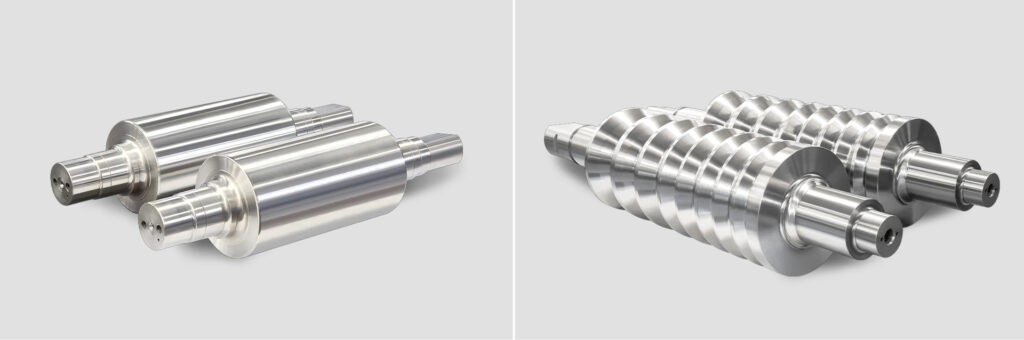
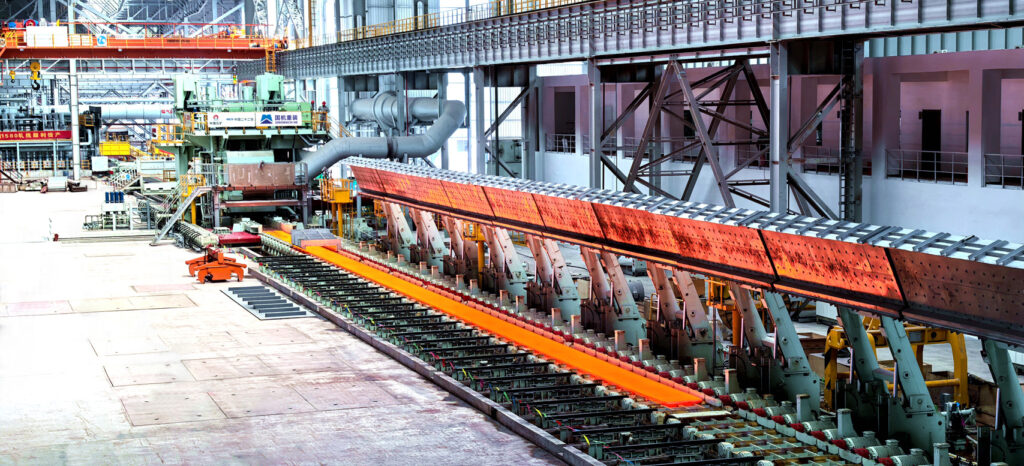
In modern steel production, every stage—from steelmaking and continuous casting to rolling—plays a crucial role in determining the quality of the final product. Among these processes, rolling is the key step that defines the dimensional accuracy, surface quality, and mechanical properties of steel products. At the heart of this process lies one of the most important components of the rolling mill: the mill roll.

Whether producing hot-rolled coils, rebar, wire rods, structural sections, stainless steel, or specialty alloys, mill rolls are responsible for applying pressure and shaping steel into its final form.

In simple terms, mill rolls perform the following functions:

✔ Applying rolling force to control thickness and dimensions

✔ Improving the microstructure and mechanical properties of steel

✔ Enhancing surface quality and dimensional precision

✔ Increasing production efficiency and product consistency

The performance of mill rolls directly impacts rolling productivity, product quality, and operating costs, making them the “core working component” of any rolling mill.
Mill Roll Requirements at Different Rolling Stages

Roughing Mill Stage

The roughing mill is responsible for large-scale deformation of steel billets or slabs.

Key requirements for rolls include:

  • Excellent impact resistance
  • High thermal fatigue resistance
  • Superior strength and toughness

Forged steel rolls and alloy cast steel rolls are commonly used in this stage.


Intermediate Rolling Stage

During intermediate rolling, steel dimensions and shapes are further refined.

Rolls used in this stage require:

  • Good wear resistance
  • Stable dimensional performance
  • Resistance to thermal cracking

High-chromium cast iron rolls are widely applied in these operations.


Finishing Mill Stage

The finishing mill determines the final dimensions and surface quality of steel products.

Rolls used here must provide:

  • Extremely high surface hardness
  • Outstanding wear resistance
  • Excellent surface finish

Common choices include:

  • High-Speed Steel (HSS) Rolls
  • High-Chromium HSS Rolls
  • Tungsten Carbide Rolls

How Mill Roll Quality Impacts Steel Plant Performance

For steel producers, mill rolls are more than consumable components—they are critical assets that influence overall production efficiency.

Increased Productivity

Longer roll service life reduces roll-changing frequency, maximizing mill availability and output.

Lower Operating Costs

Extended roll life and reduced regrinding requirements help decrease production costs per ton of steel.

Improved Product Quality

Better dimensional accuracy and fewer surface defects contribute to higher customer satisfaction and stronger market competitiveness.

Reduced Unplanned Downtime

Reliable roll performance minimizes the risks of roll failures, excessive wear, and unexpected shutdowns.

Global Trends in the Mill Roll Market

As the steel industry moves toward higher quality, greater efficiency, and sustainable manufacturing, mill roll technology continues to evolve.

1. High-Speed Steel Rolls Becoming the Industry Standard

Compared with traditional high-chromium cast iron rolls, HSS rolls offer:

  • Higher hardness
  • Superior wear resistance
  • Longer service life

As a result, they have become increasingly popular in hot strip mill finishing stands.


2. Digitalized Roll Management

More steel plants are adopting intelligent roll management systems to achieve:

  • Roll life tracking
  • Wear monitoring
  • Real-time data analysis
  • Predictive maintenance

These technologies help optimize roll utilization and reduce operational costs.


3. Green Manufacturing Driving Material Innovation

The steel industry is under increasing pressure to reduce energy consumption and carbon emissions.

Future roll development will focus on:

  • Longer service life
  • Lower energy consumption
  • Reduced resource usage
  • Improved recyclability

Advanced alloy materials and composite roll technologies are expected to gain wider adoption.


4. Growing Demand for Customized Solutions

As demand for high-end steel products continues to rise, different applications require specialized roll designs.

Examples include:

  • Automotive steel
  • Electrical steel
  • Stainless steel
  • Specialty alloy steel

This trend is creating greater demand for suppliers capable of providing customized roll solutions tailored to specific operating conditions. 

JISTEEL: Reliable Mill Roll Solutions for Modern Rolling Mills

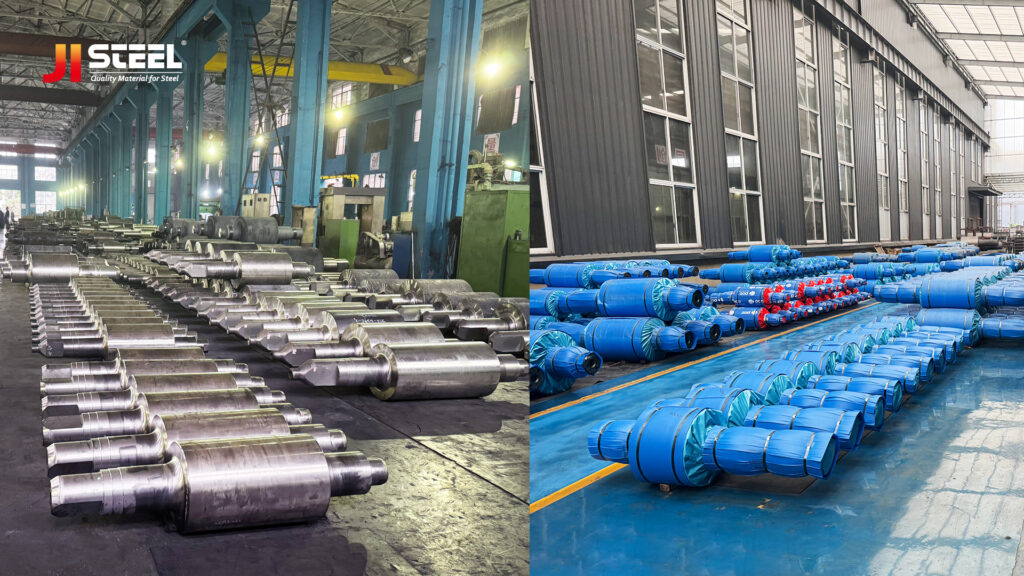
As a comprehensive supplier serving the steel and metallurgical industry, JISTEEL provides a wide range of mill rolls and rolling mill support products for steel producers worldwide.

Our strengths include:

✔ Multiple roll material options for various applications

✔ Strict quality control throughout manufacturing

✔ Customized designs based on customer operating conditions

✔ Solutions for hot rolling, cold rolling, wire rod, and bar production lines

✔ Comprehensive support for complete rolling mill systems

From steelmaking and continuous casting to rolling operations, JISTEEL is committed to delivering reliable, efficient, and cost-effective solutions that help customers improve productivity and product quality.


As the global steel industry advances toward premium-quality production, digital transformation, and sustainable manufacturing, mill rolls are becoming more important than ever. They are no longer just critical mill components but strategic assets that influence production efficiency, product quality, and overall competitiveness.

Looking ahead, high-performance materials, intelligent roll management, and customized engineering solutions will define the future of the mill roll industry. For steel producers seeking long-term operational success, partnering with a reliable mill roll supplier will remain a key factor in achieving higher productivity and lower production costs.

Contact Us

Address

High-tech Industrial Development Zone, Zhengzhou City, Henan Province, China.

Email

jean@ji-steel.com

Phone

+86 188 3804 2177

Quick Links

© Copyright 2025 JI Steel. All right reserved.